
The deputy spokesperson of the PP in Castilla-La Mancha, Santiago Serrano, has denounced that tax revenues per inhabitant have risen from 1,771.95 euros in 2016 to 2,682.59 in 2025, an increase of 51.4%.
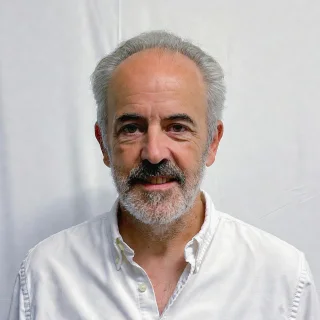
The regional deputy and deputy spokesperson of the PP in Castilla-La Mancha, Santiago Serrano, has presented the tax revenue data in the region during the eleven years of socialist government under Emiliano García-Page. He has claimed that tax revenues per inhabitant have skyrocketed by 51.4%, rising from 1,771.95 euros in 2016 — the first year for which data is available — to 2,682.59 euros in 2025.
Serrano has criticized the regional government for maintaining a discourse of "regulatory freeze" and claiming that taxes had not been raised, while new taxes such as the water levy were approved. "This is proof of what socialist policy has meant," said the deputy spokesperson, who described the increase as a rise "through the back door."
Specifically, the PP has highlighted that revenue from income tax (IRPF) has increased by 114% since 2015. Only in 2024, the region collected 234 million euros more than expected from this tax. Serrano reminded that IRPF is ceded at 50% to the autonomous communities, meaning that the State also participates in its management, and criticized the Junta for refusing to deflate the regional segment.
"What is clear is that the duo of Emiliano García-Page and Pedro Sánchez is the best way for the people of Castilla-La Mancha to constantly lose purchasing power," asserted Serrano, who defended the regional PP's tax plan, which, according to his calculations, would save taxpayers 400 million euros annually.
Castilla-La Mancha, among the communities with the highest IRPF
The deputy spokesperson has placed Castilla-La Mancha, alongside Catalonia and Asturias, among the three communities governed by the PSOE with the highest IRPF. For an income of 30,000 euros, the region has the second highest IRPF, only behind Catalonia; for 45,000 euros, it is the fourth highest. However, he denounced that as the taxpayer earns more, the tax treatment becomes more beneficial, which, in his view, favours the wealthy compared to other regions.
Serrano also pointed out that Castilla-La Mancha is the autonomous community with the highest accumulated inflation during the period, at 31.6%. The increase in the cost of living has reached 50%, and the CPI for housing, electricity, and other fuels has risen by 25%. "A substantial increase in prices that has progressively eroded the income and disposable income of all people in Castilla-La Mancha," he emphasized.
While inflation soared, the average salary in the region has remained 3,400 euros below the national average. According to data provided by the PP, the real salary of the average worker has decreased by more than 520 euros during García-Page's government. "Not only has there been stagnation, but there has been a genuine regression in terms of purchasing power," Serrano stressed.
Income gap with Spain and Europe
Regarding per capita income, the PP spokesperson has denounced that the gap has not only failed to close, but has widened. The people of Castilla-La Mancha are 6,000 euros below the national average and 13,000 euros below the European average. The difference is 22.46% compared to the national average and 23.14% compared to the European average.
For the PP, this data evidences "the failure of socialist policies" and places Castilla-La Mancha as the community that has dropped the most in fiscal competitiveness over the last eight years. Serrano concluded that this cycle "will come to an end next year 2027, when the Popular Party comes to power in the Junta de Comunidades" and implements policies that, he said, have already proven successful in regions like Extremadura or Andalusia.
The regional PP's tax plan, rejected by the socialist government, proposes a deflation of the IRPF and other measures that, according to the party, would alleviate the tax burden on citizens and improve the region's competitiveness.
You may also like


