Gustavo Vorobechik founded Bibliomanager after going bankrupt during the Argentine crisis of 2001. Today, his platform connects 1,300 publishers and 1,000 bookstores in 11 countries, with projected revenue of €8.5 million in 2026.
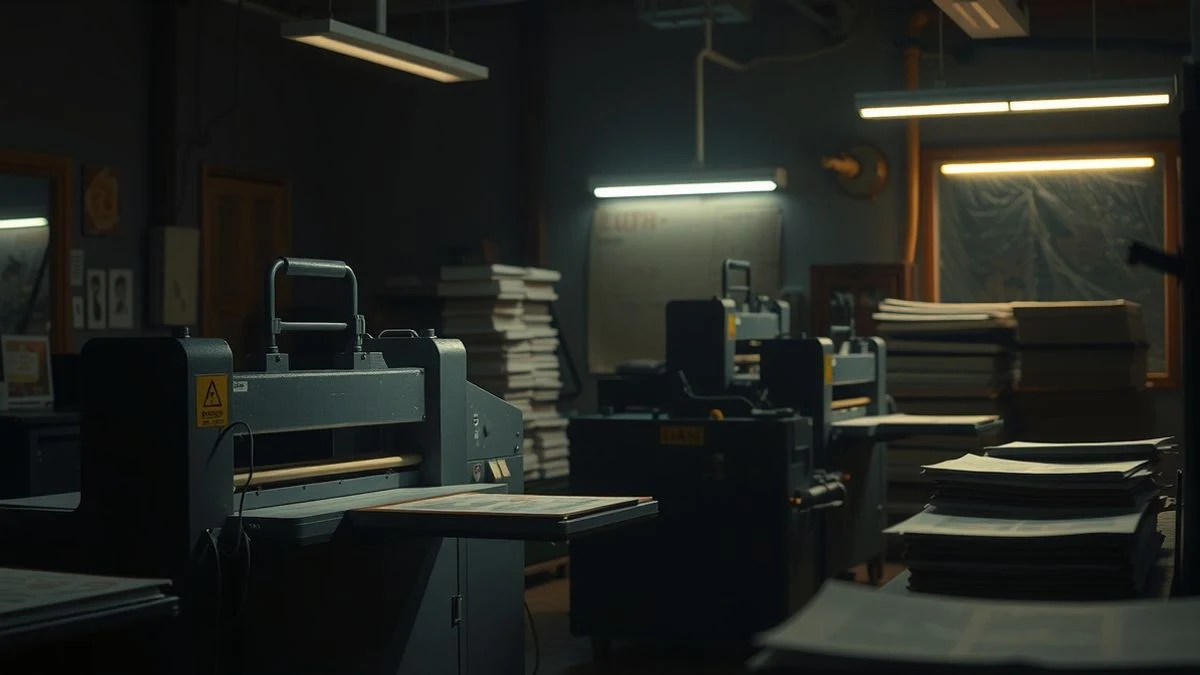
Gustavo Vorobechik had a three-day plan to launch his first startup in Argentina. The first day was for design studies, the second for architects and builders, and the third for the press. But on December 20, 2001, the day the vice president resigned, his project was swept away. From the wreckage, he salvaged a guillotine and a printer. With that, and a $17,000 loan from his father, he founded Bibliomanager, a platform that today will generate €8.5 million.
The company operates like an Airbnb for books: it connects publishers with bookstores without them needing physical stock. The model is simple: "First I sell, then I print," explains Vorobechik. This way, a bookstore can sell any title from the international catalogue without storing a single copy. The system prints on demand and eliminates returns, a burden that can reach 35% of the print run in the publishing sector.
From Bankruptcy to Reinvention with $17,000
After closing his first business, Vorobechik sought help from his father. "The response was: I’ll guarantee your rent, I’ll support you with $500 a month for six months, and I’ll lend you $14,000," he recalls. There was no business plan, just an ultimatum. With that $17,000, he rented a 70-square-metre space and began printing books with the machines he had left. The initial investment was minimal, but growth was financed by reinvesting EBITDA for 14 years.
The next obstacle was quality. The inherited machines did not provide the necessary volume, and renewing the equipment would cost $350,000, which no bank was willing to lend. The solution came through Xerox, where he met his future wife, Patricia. "We weren’t favoured people at the brand with the X," he admits. But he secured the meeting and a budget that, although higher than his capital, opened the door to a financing agreement with the supplier.
A Market with 40% Unsatisfied Demand
Vorobechik identified a key inefficiency: 40% of readers looking for a book in a bookstore cannot find it, either because it is sold out or not available at that point of sale. At the same time, 35% of printed books end up in warehouses or are destroyed. His solution, print on demand, avoids that waste. Today, Bibliomanager connects over 1,300 publishers and 1,000 bookstores in 11 countries across Latin America and Spain.
The company expects to close 2026 with a revenue of €8.5 million, sustained growth that proves the model works. Vorobechik, who defines himself as an entrepreneur and not a voracious reader (he is dyslexic), asserts that the previous failure was key: "A learning experience that allows you to fine-tune your aim."
What It Means for the Spanish Publishing Sector
For Spanish bookstores, Bibliomanager offers the possibility to expand their catalogue without risks. They do not need to buy stock or return unsold items: the book is printed when the customer pays for it. This reduces storage and logistics costs and allows them to compete with large online platforms. In a sector where margins are tight, the "pay-per-use" model can make a difference.
The delivery time is similar to that of a print-on-demand book: between 3 and 5 days. For the reader, it means access to titles that were previously hard to find, especially from small or out-of-print publishers. Vorobechik sums it up: "There is no book that cannot be sold if offered at the right time and place."
The company does not stop. With an eye on new markets, Vorobechik plans to expand the platform to more European countries and strengthen the local printing network. For publishers, it represents an opportunity to reach new points of sale without initial investment. For bookstores, a way to say "yes, we have it" without having it in stock.
You may also like