
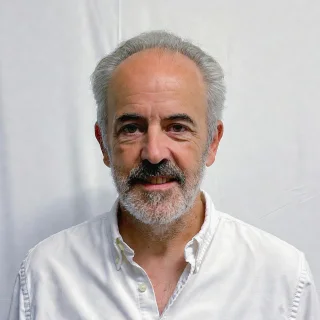
José Luis Escrivá, governor of the Bank of Spain, attributes the rise in absenteeism to a lack of coordination between Social Security and regional health services. The executive urges strengthening the role of mutuals to alleviate pressure on the system.
The governor of the Bank of Spain, José Luis Escrivá, stated this Wednesday that the high level of absenteeism recorded in Spain is due to a problem of "poor distribution" of responsibilities among public administrations. In statements prior to his participation in the summer courses at El Escorial, Escrivá emphasized that the situation is "very complex" and requires structural solutions.
The gap between who pays and who decides on sick leave
According to Escrivá, the root of the problem lies in that "the fundamental budgetary constraint lies with Social Security, but the decisions on sick leave are made by the health services of each autonomous community." This disconnection, in his view, causes "the connection and coordination between these two levels not to function" properly.
The governor has highlighted that, while Social Security bears the cost of temporary incapacity benefits, it is the regional governments that manage the processes of medical leave and return to work. This asymmetry, according to the Bank of Spain, generates disparate incentives that hinder the control of absenteeism.
"It is a very important and complex problem. The fundamental budgetary constraint lies with Social Security, but the decisions on sick leave are made by the health services of each autonomous community."
The annual report from the Bank of Spain last year already warned of "the dynamics of recent years of very strong growth in absenteeism, which places us among the highest levels in Europe." Escrivá reminded that this phenomenon poses "a problem for the competitiveness of companies," as it increases labour costs and reduces productivity.
More weight for mutuals as a possible solution
To address this situation, Escrivá has proposed "strengthening the role of mutuals for workplace accidents," which "could clearly contribute more and the health services of the autonomous communities could rely more on all these matters." Mutuals, collaborating entities of Social Security, manage economic and health benefits arising from professional contingencies, but have a limited role in sick leave for common illnesses.
The governor has not provided specific figures on the rise in absenteeism, but sources from the Bank of Spain indicate that the indicator is at record levels, surpassing the EU average. This data particularly affects sectors such as public administration, healthcare, and education, where absence rates are higher.
Escrivá's statements come after the leader of the PP, Alberto Núñez Feijóo, described absenteeism as "a cancer" and questioned whether a worker should earn the same when they go to work as when they do not. However, Escrivá has avoided entering that debate and has focused on the need to improve institutional coordination.
What it means for companies and workers
For SMEs and self-employed individuals, high absenteeism translates into increased indirect costs, as they must cover absences with replacements or take on the remaining workload. Additionally, the lack of control over sick leave can create inequalities between regions, depending on the management of each health service.
From the worker's perspective, strengthening mutuals could imply greater medical supervision in sick leave processes, but also a more agile way to recover their health when appropriate. Escrivá has not advanced timelines or specific measures, but has insisted that "solutions must be sought" urgently.
The Bank of Spain expects to publish a more detailed analysis in the coming months on the impact of absenteeism on the Spanish economy, including specific recommendations to improve coordination between administrations. Meanwhile, the debate over who should manage sick leave and under what criteria will remain open.
You may also like


